
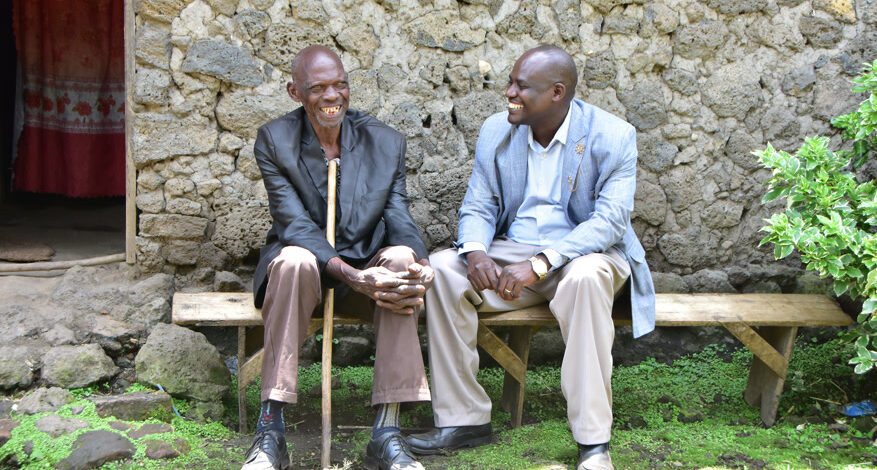
Home Visit Assessment
Many elderly individuals face multiple challenges within their homes that often go unnoticed by the broader community. Issues such as food insecurity, inadequate shelter, poor hygiene conditions, and limited mobility can severely affect their quality of life. Unfortunately, these challenges are not always visible during community outreach events, making it difficult for support organizations to fully understand the needs of vulnerable seniors.
 The Home Visit Assessment Program addresses this gap by conducting structured home visits that allow trained staff and volunteers to evaluate the living conditions and support needs of elderly individuals directly within their households. These visits provide a deeper understanding of the challenges seniors face and help ensure that assistance programs are tailored to their specific circumstances.
During each home visit, assessment teams follow a structured process that includes observing the living environment, discussing daily challenges with the elderly individual, and documenting important information related to health, nutrition, sanitation, and mobility. This process allows the team to identify issues such as inadequate housing conditions, lack of food supplies, poor access to clean water, or unsafe living environments.
Home visits also help identify elderly individuals who may require additional services such as food support, medical referrals, mobility assistance, or caregiver support. In many cases, seniors may not openly request help due to pride, lack of awareness, or fear of burdening others. Visiting them in their homes creates a comfortable environment where they can share their concerns more openly.
Another important benefit of the Home Visit Assessment Program is the opportunity to engage with family members, neighbors, and caregivers who play a role in supporting elderly individuals. These conversations help identify available community support networks and strengthen collaboration between families and support organizations.
In some cases, home visits reveal urgent situations that require immediate intervention, such as unsafe housing structures, severe food shortages, or untreated health conditions. By identifying these challenges early, the program enables organizations to respond quickly and connect beneficiaries with the appropriate support services.
Data collected during home visits is also valuable for long-term program planning. Understanding the specific needs of elderly populations allows organizations to design targeted interventions that address the most pressing challenges faced by seniors in different communities.
The success of this program relies on trained staff, dedicated volunteers, and reliable transportation to reach remote households. Funding supports travel costs, assessment materials, volunteer training, and program coordination.
By supporting the Home Visit Assessment Program, donors help ensure that elderly individuals receive personalized attention and support that addresses their unique needs. Your contribution helps bring care directly to the homes of vulnerable seniors and ensures that no elderly person is overlooked or forgotten.