
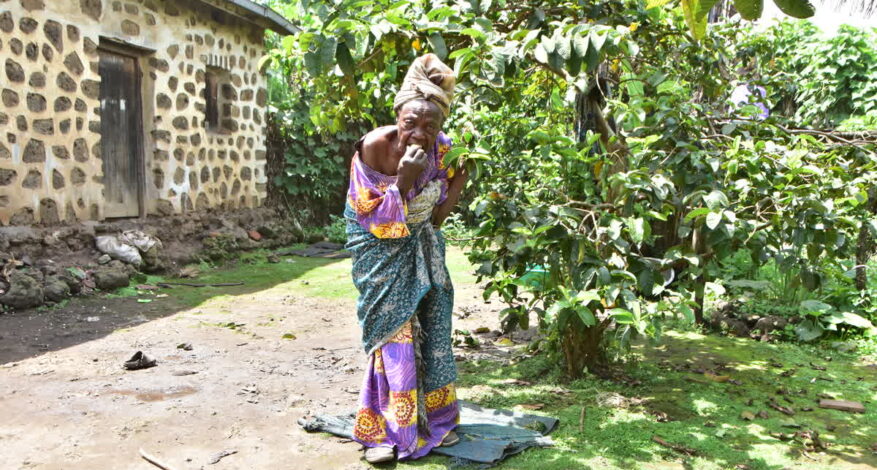
Kitchen Gardening and Nutrition
Proper nutrition is essential for maintaining health, especially among elderly individuals whose immune systems may be more vulnerable to illness. Unfortunately, many seniors face limited access to fresh fruits and vegetables due to financial constraints, poor access to markets, or limited mobility. As a result, their diets often lack the essential vitamins and nutrients needed to support strong immunity and overall health.
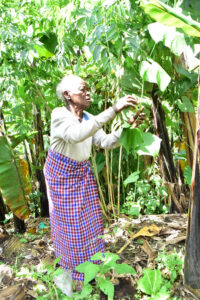 The Kitchen Gardening and Nutrition Program aims to improve access to nutritious foods by promoting small-scale backyard vegetable gardens and fruit tree planting among elderly households. This initiative empowers seniors and their families to grow their own food, providing a sustainable source of fresh produce while reducing dependence on external food assistance.
Kitchen gardens are simple to establish and require minimal space. With proper guidance and basic supplies, elderly individuals and their caregivers can grow a variety of vegetables such as spinach, tomatoes, onions, and other nutrient-rich crops. Fruit trees such as papaya, mango, and guava can also be planted to provide long-term sources of vitamins and minerals.
Beyond improving nutrition, kitchen gardens offer several additional benefits. Gardening provides light physical activity that helps elderly individuals maintain strength and mobility. It also promotes mental well-being by giving seniors a meaningful daily activity and a sense of accomplishment as they nurture their plants and harvest food from their gardens.
The program includes training sessions where participants learn simple gardening techniques such as soil preparation, planting methods, watering practices, and pest management. These sessions ensure that elderly individuals and their caregivers have the knowledge needed to successfully maintain their gardens.
In addition to training, the program may provide starter materials such as seeds, seedlings, and basic gardening tools. Ongoing support and follow-up visits help ensure that gardens remain productive and sustainable over time.
Kitchen gardening also encourages community collaboration. Neighbors and family members often work together to support elderly gardeners, share knowledge, and exchange produce. This sense of community strengthens social connections and promotes mutual support within neighborhoods.
Funding for the Kitchen Gardening and Nutrition Program supports training activities, seed distribution, gardening materials, and community outreach. Donations help expand the program to reach more elderly households and ensure that seniors have access to nutritious food sources close to home.
By supporting this program, donors help create sustainable solutions that improve both nutrition and overall well-being among elderly populations. Your support empowers seniors to grow their own food, strengthen their health, and live with greater dignity and independence.